- HOKC Newsletter
- Posts
- The Most Famous Chef In The Old West
The Most Famous Chef In The Old West
A Brief History Of The Chuckwagon
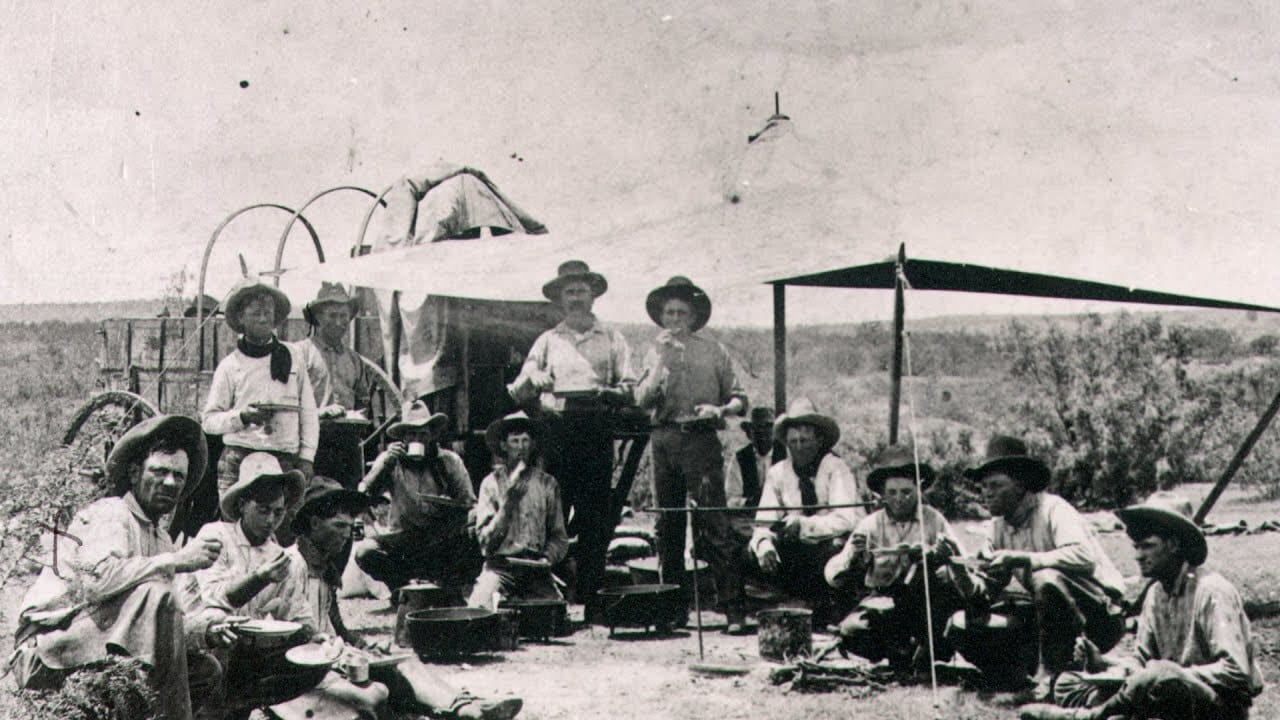
When most people picture the Old West, they imagine gunfighters, lawmen, and cowboys riding across endless plains. But behind every successful cattle drive or frontier expedition stood one unsung hero—the chuckwagon cook. Known simply as the “cookie” or “coosie,” this man was the beating heart of the trail crew, the most respected—and sometimes most feared—member of a cowboy outfit. Among them, one name rose above the rest: Charles Goodnight, the Texas cattleman who not only invented the chuckwagon but revolutionized frontier cooking and life on the trail.
In 1866, Goodnight, already a seasoned ranger and cattleman, was driving herds north from Texas to Colorado. The journey was grueling—hundreds of miles through rough country with no towns, no restaurants, and little chance of fresh supplies. Cowboys needed hearty food to survive, but there was no practical way to cook for a moving camp. Goodnight’s solution was brilliant in its simplicity: he took a sturdy Army surplus Studebaker wagon and outfitted it with a “chuck box” that folded down into a workspace, filled with drawers for flour, coffee, beans, bacon, and other essentials. A water barrel was mounted on the side, and a dutch oven hung beneath. Thus was born the chuckwagon, a rolling kitchen that would become an icon of the American West.
Goodnight’s creation did more than feed hungry cowhands—it established the system that kept cattle drives alive. The chuckwagon became the center of camp life. Wherever it stopped, men gathered around to eat, drink coffee, and share tall tales by the fire. The cook, often second only to the trail boss in authority, ruled his domain with an iron ladle. He decided when men ate, what they ate, and how they behaved. The saying went: “Respect the cookie, or go hungry.”
Meals were simple but hearty. Breakfast might be biscuits, salt pork, and black coffee; lunch was usually cold leftovers; supper was beans, beef, potatoes, and sourdough bread baked in cast iron. Everything was cooked over open flame or hot coals. A good cook had to be part chef, part blacksmith, and part chemist—able to whip up a feast in a sandstorm or pour coffee thick enough to float a horseshoe.
The best trail cooks became legends. Some, like “Beans” LaRue and “Brazos Bill” Johnson, were known across multiple outfits for their temper, humor, and unmatched biscuits. Others, like George “Cookie” Kelley, earned reputations for feeding entire cattle crews with nothing but beans, salt, and ingenuity. But it was Charles Goodnight who set the standard—the man whose chuckwagon design spread to every major trail in the West, from the Chisholm to the Goodnight-Loving Trail itself.
By the late 19th century, the chuckwagon cook had become a symbol of the cowboy world—an unsung craftsman who turned dust, heat, and hunger into moments of warmth and humanity. Long after the trails disappeared, the chuckwagon remained a cherished Western tradition, with cooking competitions still held today in honor of those early frontier chefs.
In a land known for gunfights and grit, the Old West’s most enduring “chef” was not a restaurant man at all—but a trail cook with a cast-iron pan, a wagon full of flour, and a campfire under the stars.
To learn more about the life of a cowboy in the old west, check out the History At The OK Corral Channel linked below!